
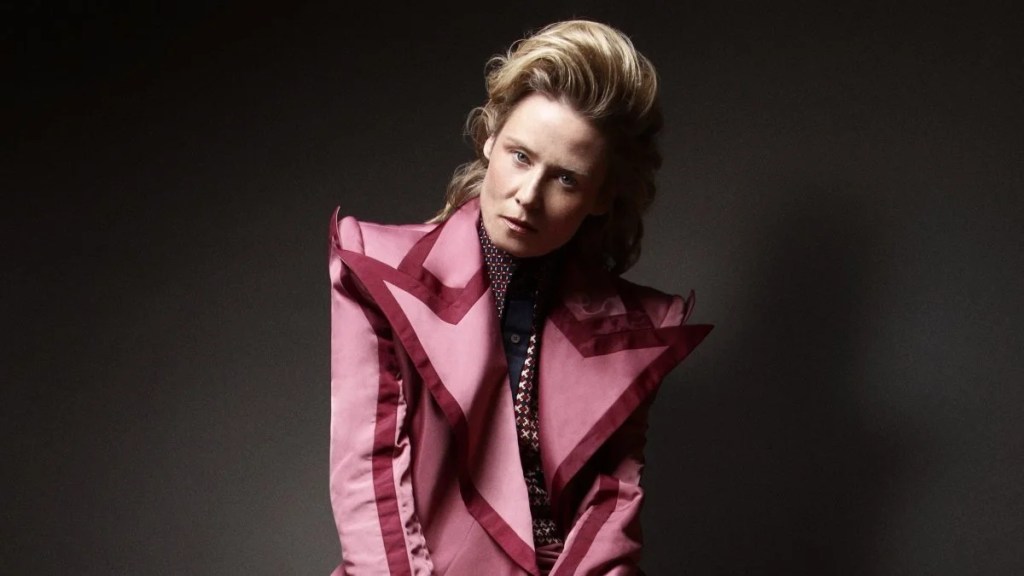
Following renewed controversy surrounding Róisín Murphy’s latest comments about transgender people, criticism from artists including The Blessed Madonna and CMAT, and an increasingly fractured relationship with the LGBTQ+ community that helped shape the Irish singer and former Moloko member career, this video essay asks a much bigger question.
What happens when an artist becomes estranged from the community that gave their work meaning?
Rather than revisiting the headlines alone, this episode explores how music, identity and collective memory intertwine, and how audiences don’t simply consume culture they help define it.
From queer club culture and Dublin Pride to artistic legacy and belonging, The Continued Fall of Róisín Murphy examines why some controversies fade while others permanently change the way we hear an artist’s work.
The Last Mixed Tape is hosted by Stephen White, and is also available on Spotify and Apple Podcasts.


2 responses to “The Continued Fall of Róisín Murphy | How a Queer Icon Lost Her Audience”
Róisín Murphy has built a career on individuality, creativity, and refusing to be boxed in. It is deeply disappointing to see an artist who has always encouraged people to think freely now being treated as though she has no right to ask questions or express concerns about complex social issues.
Supporting women’s rights, child safeguarding, and thoughtful discussion around medical and social policies should not be framed as hatred. A society that values compassion should also value the ability to have difficult conversations without immediately reducing people to labels or assuming the worst intentions.
Many people, including women, parents, clinicians, and people who care deeply about children, have raised questions about how we balance the rights, dignity, and wellbeing of everyone involved. Those questions deserve engagement, evidence, and conversation rather than silencing or public punishment.
What is particularly troubling is the suggestion that someone’s entire legacy, art, and decades of support for marginalised communities can be erased because they express a view that challenges a prevailing narrative. A culture of openness should allow room for disagreement, reflection, and nuance.
Róisín Murphy has always been an artist who challenged expectations. The same spirit that made people celebrate her creativity should also allow her to speak, learn, question and participate in conversations that affect society.
People can disagree with her. They can debate her arguments. But calling for artists to be discarded because they raise concerns about safeguarding and women’s issues risks creating a culture where fear replaces dialogue.
A truly inclusive society is one where people can advocate for vulnerable groups, including children and women, while still treating others with dignity and respect.
LikeLike
The previous comment is conveniently ignoring that her target are real people and their very lives and healthcare.
It’s shocking that we feel entitled to talk about the humanity of a minority by often framing members of that minority as rapist, groomers or similar.
If this is a legitimate debate on the basis of free speech than it should also be possible to have a debate about the members of the very movement who attacks the right of said minority. You can’t have your cake and eat it too.
LikeLike