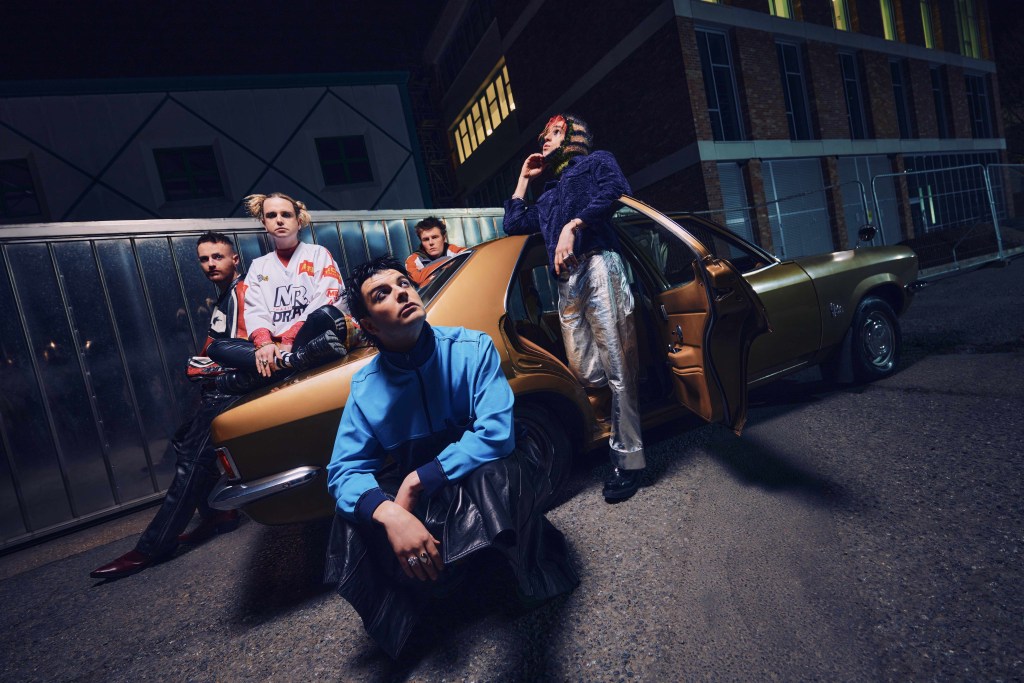

From Dogrel onwards, Fontaines D.C. have continually questioned what it means to belong somewhere. Dublin became the starting point, but distance, memory, romance and fantasy have repeatedly offered new ways out.
“Marianne” takes that long-running tension and gives it a new shape. Inspired in part by the world of Ripley, the song presents escape as something seductive rather than shameful. Its delicate melodies sit against a driving, increasingly synthetic pulse, while Grian Chatten’s voice moves between intimacy and distortion.
That tension sits at the heart of Dopamine Chamber, an album Fontaines D.C. have described as being increasingly corrupted by automation, artificial intelligence and the loss of feeling.
The music video for “Marianne” pushes the song’s ideas further, creating a world where beauty, identity and reality seem increasingly difficult to separate.
That became particularly interesting when viewers began examining the video’s credits. Three people were initially credited as “AI Artists”, before that designation was changed and subsequently removed.
The controversy raises an uncomfortable question for a band whose new album is explicitly concerned with automation and the erosion of human feeling: what happens when the tools being used to create the art become part of the subject of the art itself?
The available information does not establish exactly how or where AI was used in the video, nor who made those production decisions. The point is less about declaring Fontaines D.C. hypocrites than examining the strange symmetry between the video’s themes and the technology surrounding its production.
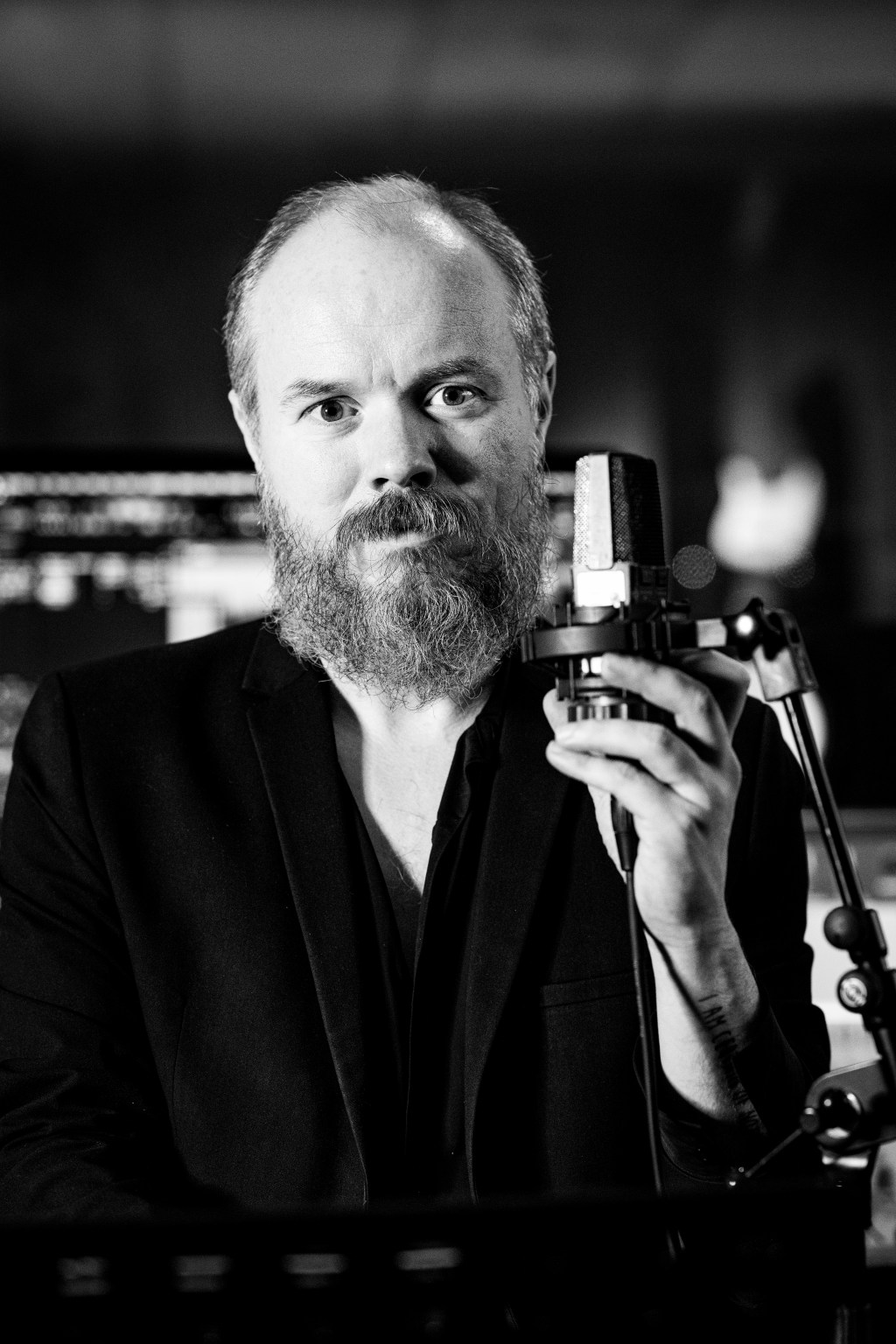
The Last Mixed Tape is hosted by Stephen White, and is also available on Spotify and Apple Podcasts.